What Makes a Landscape Breathtaking?
You feel a landscape take hold when scale humbles you, light carves form, and contrast guides your gaze. Color sets mood while textures and patterns keep your eyes searching. Weather raises the stakes; water doubles beauty with motion and reflection. Yet awe isn’t just optics. Place, story, and memory matter—and the strongest moments happen in a fleeting alignment you can’t script. What actually brings that alignment within reach might surprise you.
What Makes a Landscape Breathtaking: The Core Ingredients
When scale, light, and contrast align, a landscape steals your breath. You notice how golden or blue light sculpts forms, how shadows carve depth, and how crisp edges or soft haze guide your eye.
Color matters: complementary hues spark energy, while restrained palettes calm you. Texture and pattern—ripples, bark, scree, grasses—add tactile interest.
Weather activates the scene: moving clouds, mist, rain curtains, or fresh snow create drama and mood. Water doubles beauty through reflections and motion.
Composition focuses attention; you use leading lines, framing elements, and negative space to simplify. A clear focal point anchors curiosity, while small surprises reward lingering.
Authenticity counts, too: sounds, scents, and temperature shape emotion. Finally, timing—season, tide, and sky—turns the ordinary into unforgettable. When you're present and patient.
How Scale Shapes Breathtaking Landscapes
You’ve felt how light, color, and weather charge a scene; now sense how scale sets its power. Vast cliffs, endless deserts, or a horizon stacked with storm towers pull your gaze outward, stretching your sense of place.
Put a lone hiker, tree, or cabin in frame, and you instantly measure immensity. Shift scale the other way—zoom into a canyon bend, an alpine tarn, or a single dune crest—and you create intimacy and detail.
Use vantage: stand low to let foreground boulders loom; climb high to reveal rivers lacing valleys. Control depth with leading lines and layered planes so distances read clearly.
Choose focal length intentionally: wide lenses exaggerate spaces; longer lenses compress peaks into monumental walls. Let proportion guide awe and anchor your perspective.
Nature’s Patterns Your Brain Loves (and Why)
Because your brain craves order balanced with surprise, it locks onto patterns in nature.
You'll track spirals in shells and storms, sense rhythm in waves, and relax when trees repeat trunks at steady intervals.
Fractals, self-similar forms in ferns, coastlines, and river networks, match how your visual system compresses information, so scenes feel coherent, not chaotic.
Curves guide your gaze along safe, efficient paths, while grids of basalt or cracked mud offer legible structure.
Repetition sets expectations; small deviations spark delight without overload.
Your memory loves motifs, so you notice echoes: a ridge mirroring a dune, a mosaic of lichen echoing a valley map.
When forms nest from small to large, you predict what comes next, feel oriented, and breathe easier.
Patterns calm you.
Light and Shadow in Breathtaking Landscapes
While color tempts the eye, light and shadow shape the land’s drama. You read form through contrast: ridges sharpen, valleys deepen, textures rise.
When light grazes a slope, it sketches edges, turns rocks into sculptures, and carves depth your brain can navigate. Shadows hide, then reveal, pacing your gaze so you leap from bright anchor to quiet recess. You feel scale because long shadows stretch distance and short ones compress it.
Backlight trims trees with fire, sidelight builds relief, and top light flattens—so you seek angles that model rather than mute.
To frame it, place a luminous path where you want attention, guard highlights from glare, and let darkness earn its space.
Shape time with patience; wait for structure, not spectacle in your composition.
Color, Weather, and Season in Breathtaking Scenes
After shaping form with light and shadow, color sets the mood and anchors memory. You read a landscape through palettes: alpine blues calm, desert ochres hum, coastal greens refresh.
Weather acts like a painter’s solvent, softening or sharpening hues. Mist desaturates, rain deepens earth tones, snow simplifies to high contrast, and storm light pushes saturation to the edge.
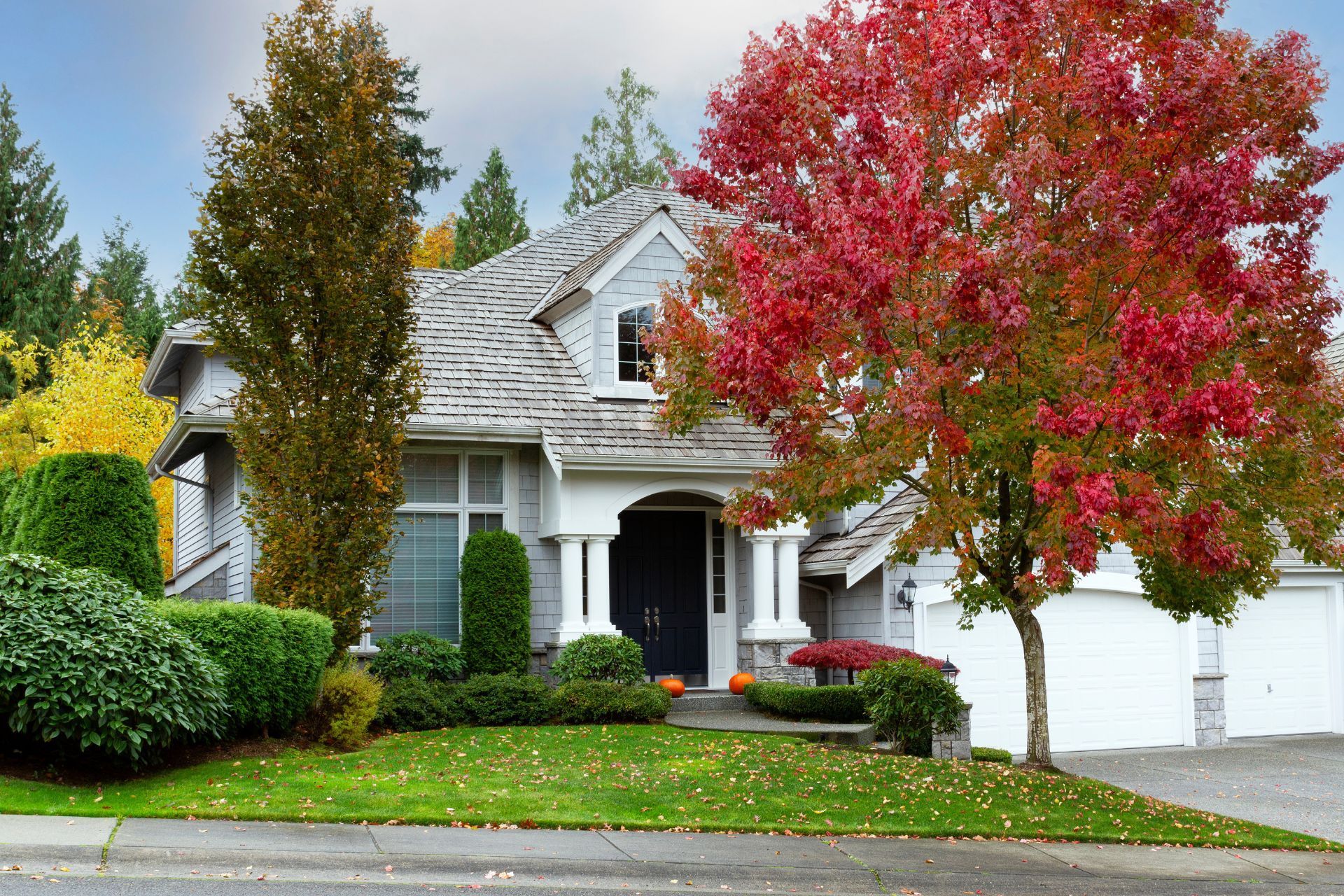
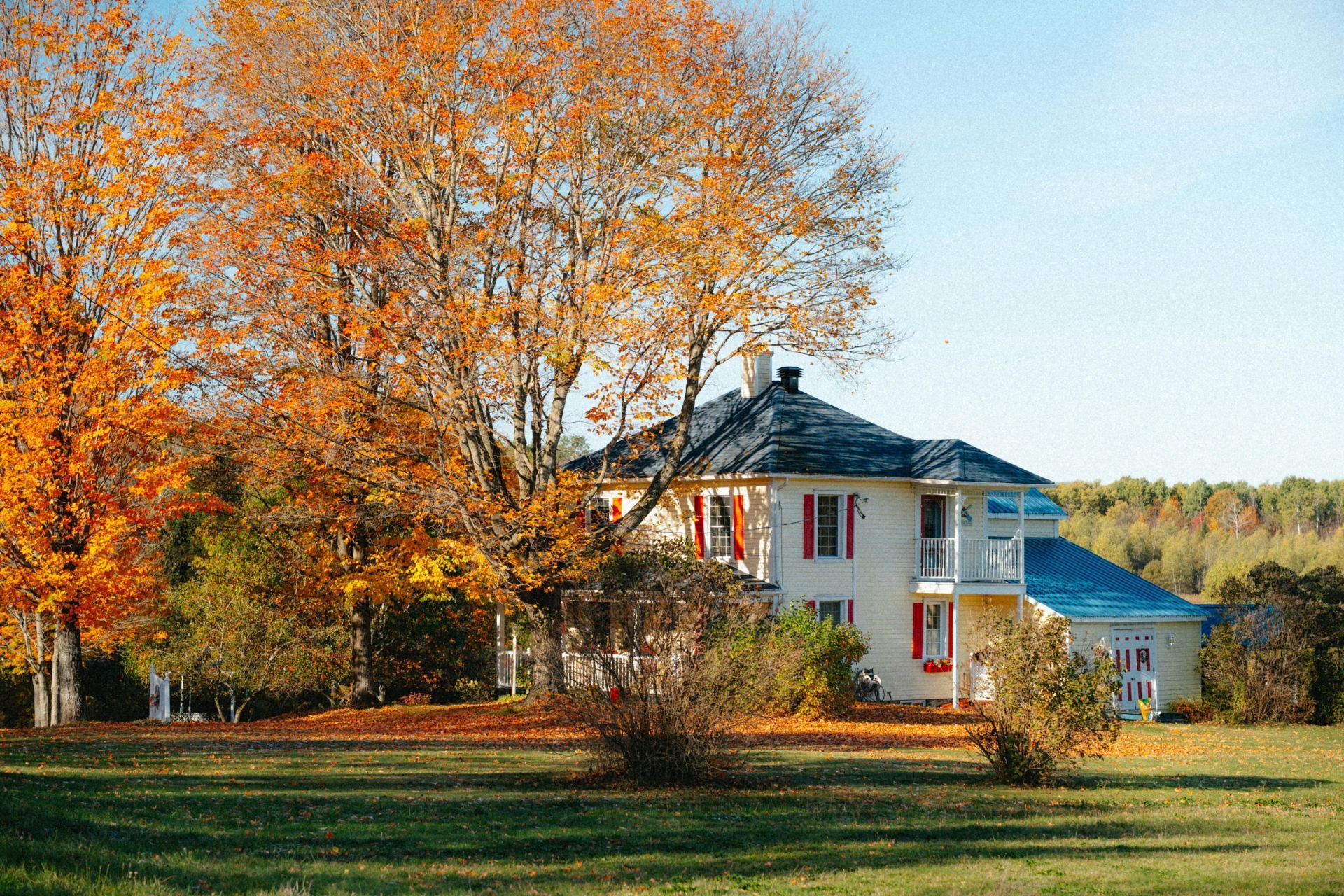
Seasons rotate the wheel: spring’s tender greens promise growth; summer’s saturated skies feel expansive; autumn’s cinnamons and golds glow; winter’s cool blues invite quiet.
You’ll tune exposure and white balance to honor these shifts rather than neutralize them. Wait for breaks between clouds, respect local color after rainfall, and protect midtones so skies, foliage, and rock keep believable, memorable intensity.
Let atmosphere guide your palette choices.
Best Vantage Points: Ridges, Overlooks, and Foregrounds
Where you stand sets the story—ridges reveal a landscape’s bones, overlooks organize scale, and purposeful foregrounds anchor depth.
Climb a ridge to read form: spines, saddles, and drainages connect, guiding the eye along clean lines. From an overlook, step back; let valleys, lakes, and towns stack in layers so proportions make sense.
Don’t stare past your feet—place rock, grass, or patterned sand in the frame to create entry and scale. Kneel, shift, or sidestep until edges align and distractions vanish.
Use leading contours, S-curves, and diagonals to pull viewers through. If the scene feels flat, move higher for separation, or lower to exaggerate near textures.
Keep horizons level, simplify backgrounds, and let your position do the storytelling. Practice shifting viewpoints until compositions click consistently.
Ephemeral Moments: Storm Breaks, Fog, and Golden Hour
Position sets the structure; light and weather bring it to life. You wait for a storm break, because edges between shadow and sun carve depth into slopes and water.
When clouds split, beams rake across ridgelines, revealing form you’d miss at noon. Fog edits the scene, hiding clutter, isolating silhouettes, stretching space; as it lifts, layers appear and recede, giving the landscape a breathing cadence your eyes can map.
In golden hour, low-angle light skims textures, ignites grasses and rock, and warms distant peaks while valleys fall into shade.
You plan, then stay flexible: watch the sky, note wind direction, anticipate clearing, and move a few steps to align light with your foreground. Patience turns minutes into wonder.
Repeat when forecasts hint at change.
Sound, Scent, and Temperature: Senses That Seal the Memory
Every landscape imprints more than light; sound, scent, and temperature anchor the memory. You hear the river’s hush, the dry rattle of grass, the echo that reveals a canyon’s scale.
You smell resin from sun-warmed pine, salt lifting off surf, crushed thyme underfoot. Air has weight: cool shade tightens skin, alpine chill sharpens breath, desert heat loosens muscles and slows steps.
When wind rises, you lean; when stillness settles, your pulse fills the quiet. These cues map edges your eyes can’t. They tell distance, moisture, season, and altitude, guiding how long you linger and which way you move.
Attend to them, and a view becomes inhabitable: not just seen, but felt through ears, nose, and skin—sealed for recall. Later, one whisper returns it whole.
Place, Story, and Culture: Why Meaning Doubles the Awe
Many places reveal their power only when you know the story carried in their names, rites, and scars. When you stand before a cliff that holds an origin myth, you don’t just see rock; you feel kinship, danger, and duty.
A glacier inscribed in songs becomes more than ice; it turns time tangible. Local languages shape contours: a valley called “the throat of wind” teaches you to listen. Ceremonies, pilgrimages, and memorials braid human stakes into the view, so color, scale, and light arrive with consequence.
Even ruins thicken the air, because absence speaks. Meaning doesn’t decorate scenery; it changes your posture, your breath, your choices. You witness not landscape, but relationship—a living archive—and awe doubles, because you sense yourself being seen back too.
How to Find Your Next Breathtaking Landscape
Where do you look when the world feels too mapped to surprise?
Start by following edges—coastlines at low tide, forest-meadow seams, canyon rims.
Scan satellite imagery for unlabeled clearings, braided rivers, dune fields.
Read local trail reports, climbing logs, and indigenous place names; patterns emerge.
Chase microseasons: desert bloom weeks, first ice on marshes, fog seasons, lunar low tides.
Watch weather fronts; go when clouds break, winds calm, or snow dusts.
Travel off-peak, at blue hour, by ferry, or on foot from the last bus stop.
Ask rangers and bus drivers.
Carry a paper map.
Keep an exit plan.
Seek permissions; respect closures.
Pack light, layer well, leave no trace.
When awe arrives, linger, then note coordinates.
Share sparingly to protect fragile places always.
Conclusion
You don’t just see a breathtaking landscape—you feel it. Let scale humble you, let light sculpt form, and let contrast spark attention. Read patterns your brain craves, follow color’s mood, and watch weather and water rewrite the scene. Chase fleeting moments—fog, storm breaks, golden hour. Tune into sound, scent, and temperature to seal memory. Learn a place’s stories so meaning deepens awe. Then go: slow down, look twice, move your feet, and meet wonder halfway.