Must Have Landscape Lighting Fixtures

Andrew McConkie • February 28, 2024

When it comes to enhancing the beauty and functionality of our outdoor spaces, landscape lighting fixtures play a crucial role. Whether you want to showcase your gorgeous garden, elevate your outdoor entertaining area, or simply improve the safety and security of your home, having the right lighting fixtures is a must. Check out some of the must-have landscape lighting fixtures that can transform your outdoor space into a stunning oasis.
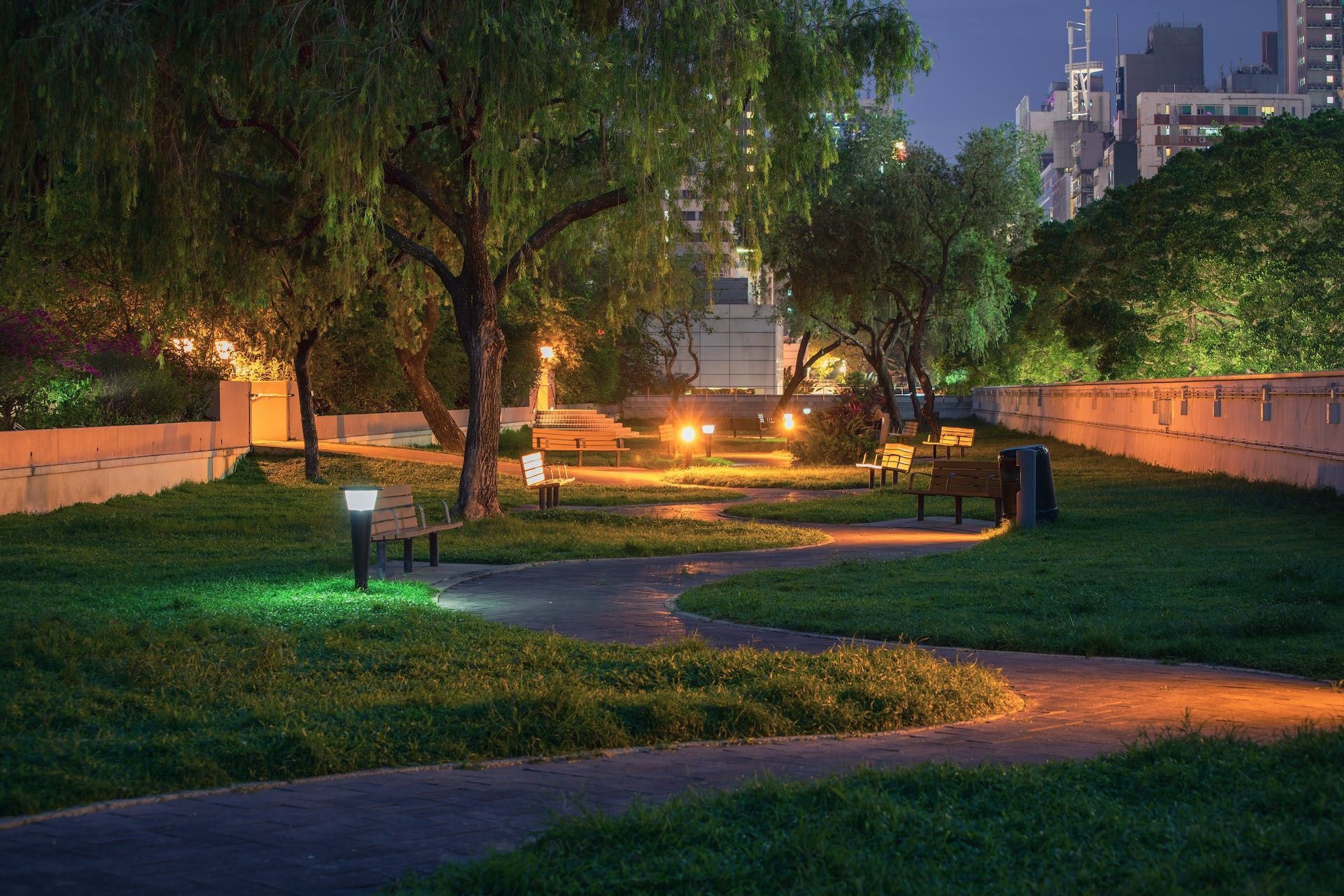
landscape lighting fixtures

1. Path Lights

Path lights are essential for any landscape as they not only add charm and aesthetics to your pathways but also improve safety by illuminating potential hazards. They come in various styles and designs, from timeless lantern styles to sleek modern fixtures. Don't forget to choose LED path lights for energy efficiency and long-lasting performance.


One of the primary reasons homeowners invest in path lights is to improve safety. The illuminated paths ensure that people can navigate their way easily, even in dim lighting conditions. Whether it's guiding your guests to the front door or preventing accidents in your garden, path lights act as a beacon of safety.


Furthermore, these lights are incredibly functional. The soft glow they emit can be used to highlight specific areas of interest along the pathway, such as a beautiful flower bed or a unique landscaping feature. Installing path lights allows you to maximize the use of your outdoor space, even after sunset.


Path lights add a visual appeal to your landscape during the nighttime hours. These fixtures come in a variety of styles, including traditional, modern, and decorative options. You can choose lighting fixtures that match the architectural style and overall theme of your property, ensuring a seamless integration with the rest of your landscape design.


The gentle illumination provided by path lights creates an inviting atmosphere, making guests feel welcome and comfortable. Additionally, the soft glow of these lights can transform an ordinary walkway into a captivating focal point, transforming the ambiance of your outdoor space.


2. Spotlights

If you have architectural features, statues, or unique plants that you want to highlight, spotlights are the way to go. These powerful fixtures are designed to focus a beam of light on a specific area, creating a sense of drama and adding a touch of elegance to your landscape.


Spotlights are perfect for accentuating the best features of your outdoor space. By placing them strategically, you can draw the eye towards specific elements you want to showcase. Imagine illuminating a beautiful statue, a cascading waterfall, or a well-manicured hedge. These small touches can add depth, character, and beauty to your yard, making it truly unique.


In addition to the aesthetic benefits, spotlights also enhance safety and security around your property. By illuminating pathways, stairs, and entrances, you create a well-lit environment that minimizes the risk of accidents. Moreover, the strategic placement of spotlights can deter potential intruders, as a well-lit area makes it harder for them to approach unnoticed..


One of the most significant advantages of using spotlights is their ability to create depth and drama in your landscape. By casting shadows and highlighting textures, spotlights add another dimension to your outdoor space. This technique is especially effective when highlighting vertical elements like trees or walls, as it creates a captivating visual effect that brings your yard to life at night.


With the advancement of technology, spotlights now come in energy-efficient options. LED spotlights, in particular, are an excellent choice, as they consume minimal energy while providing bright and focused lighting. This not only reduces your energy bill but also minimizes your carbon footprint, allowing you to enjoy a beautiful landscape while being environmentally conscious.


3. Floodlights

Floodlights are powerful, high-intensity lights that cast a wide beam of light over a large area. They are usually mounted on a tall post or a bracket, strategically positioned to illuminate expansive outdoor spaces. Floodlights are typically used to provide general, ambient lighting, eliminating dark corners and creating a sense of security.


One of the significant advantages of floodlights is their ability to illuminate a large area uniformly. Whether you have a spacious backyard, a beautifully manicured garden, or a large driveway, floodlights can effectively brighten up these spaces with ease. By evenly spreading light across the landscape, they highlight the architectural features of your property, making it visually appealing.


Moreover, floodlights add depth and dimension to outdoor spaces, creating a dramatic effect. By casting light upwards onto trees, walls, or statues, they create visual interest and highlight the unique elements in your landscape design. Additionally, floodlights can be strategically placed to graze the textured surfaces or ornamental plants, further enhancing the overall ambiance.


4. Deck and Step Lights

If you have a deck or outdoor stairs, deck and step lights are a must-have. These fixtures are installed directly into the deck boards or mounted on the sides of steps, providing subtle and functional illumination to help navigate your outdoor space at night. Consider using warm, soft lighting for a cozy and inviting ambiance.


One of the main advantages of deck and step lights is their ability to enhance the overall architecture and design of your landscape. Whether you have a large deck, a cozy patio, or a winding staircase, these lights can accentuate the structure and create a visually appealing setting. By installing them strategically, you can highlight different elements of your outdoor area, such as railings, contours, or unique features.


Moreover, deck and step lights also play a crucial role in ensuring the safety of your outdoor space. They prevent accidents and provide clear visibility, especially during the nighttime. By properly illuminating the steps, you reduce the risk of tripping or falling, making your outdoor area safer for everyone, including children and elderly individuals.


5. Underwater Lights

Water features are naturally tranquil and captivating, but when the sun sets, they often fade into darkness. By installing underwater lights, you can transform your water feature into a focal point even after dusk. The lights can be strategically placed to accentuate the movement of water, reflections, and the unique shapes within the feature. The result? A stunning display that will awe and delight onlookers.


Imagine hosting an intimate soirée in your backyard, with gentle waves shimmering under the moonlight. Underwater lights can create a magical ambiance, turning your outdoor space into an enchanting oasis. By choosing warm, soft-hued lights, you can set the perfect mood for your gathering, adding an extra layer of romance and elegance.


6. String Lights

String lights have become incredibly popular for outdoor spaces, especially for creating a cozy and magical atmosphere. From wrapping them around trees and pergolas to draping them over fences or hanging them under a canopy, the possibilities are endless.


String lights can be easily hung and draped in various ways, allowing you to customize your outdoor lighting design according to your personal style and preferences. You can create a romantic, whimsical feel by draping string lights from trees or pergolas, or you can line them along fences or pathways to provide a warm and inviting glow.


Unlike other landscape lighting options that may require professional installation, string lights are simple to install and can be done as a DIY project. Most string lights come with clips, hooks, or wire to facilitate easy hanging. This means you can get creative and experiment with different placements and designs.


String lights come in a wide range of lengths and bulb styles. You can choose traditional incandescent bulbs for a warm, nostalgic glow, or opt for energy-efficient LED bulbs that are both long-lasting and cost-effective. Additionally, string lights are available in various colors and shapes, allowing you to create different moods and effects depending on your preferences.


7. Smart Lighting

One of the significant advantages of smart landscape lighting fixtures is its energy efficiency. Smart lights use LED bulbs, which are known for their low power consumption and long lifespan. Additionally, these lights can be programmed to turn on and off at specific times, ensuring that energy is not wasted during daylight hours. Furthermore, some smart lighting systems have integrated sensors that detect ambient light and adjust the brightness accordingly, saving even more energy.


Smart landscape lighting fixtures allows homeowners to customize their outdoor lighting settings to their liking. With the help of smartphone applications or voice assistants like Alexa or Google Home, you can control the intensity, color, and even the pattern of your outdoor lights. This level of control enables you to create different atmospheres or highlight specific areas of your garden, giving you endless possibilities to experiment with lighting effects.


Unlike traditional landscape lighting fixtures which often requires professional installation and wiring, smart lighting systems are relatively easy to set up. Many smart lights are battery-powered and can be installed in minutes without the hassle of digging up your yard. Moreover, these systems are expandable, meaning you can add more lights as your requirements change or your garden evolves. The flexibility of smart lighting allows you to adjust and scale your outdoor lighting to suit your needs.


Get Ready for An Exciting Transformation

Don't miss the opportunity to work with Lone Oak Lawns and witness the incredible transformation that landscape lighting fixtures can bring to your outdoor space. Say goodbye to dull and uninspiring nights and hello to a world of enchantment and elegance. Contact Lone Oak Lawns today and take the first step towards creating the outdoor paradise you've always dreamed of.

Mulch, Rock, or Ground Cover? Which Option Fits Your Landscape & Budget
November 7, 2025
When it comes to enhancing your landscape, choosing between mulch, rock, or ground cover can be tricky. Each option has its own set of benefits and drawbacks that can impact your aesthetic goals and budget. You'll want to consider factors like maintenance and visual appeal. So, which choice aligns best with your needs? Let's explore the details to help you make an informed decision. Understanding Landscape Needs As you embark on your landscaping journey, it's essential to assess your specific needs and preferences. Start by considering your climate and soil type; these factors will influence what materials thrive in your environment. Think about your lifestyle, too—do you have kids or pets that require durable space? Next, identify your aesthetic goals. Are you drawn to a lush garden, or do you prefer a more minimalist look? Also, factor in maintenance. Some options demand more care than others, so be honest about how much time you can invest. Finally, budget plays a critical role. Determine how much you're willing to spend upfront and in the long run. This assessment will guide you in choosing the best landscaping option for your home. The Benefits of Mulch When choosing landscaping materials, mulch stands out for its numerous advantages. First, it helps retain soil moisture, reducing the need for frequent watering, which saves you time and money. Mulch also regulates soil temperature, keeping it cooler in summer and warmer in winter, promoting healthy plant growth. Additionally, it suppresses weeds, reducing competition for nutrients and allowing your plants to thrive. Another benefit is its ability to enrich the soil as it decomposes, adding nutrients that boost your garden's health. Plus, mulch enhances your landscape's aesthetic appeal, providing a polished look that complements your plants. With so many benefits, mulch can be an excellent choice for your landscaping needs. Drawbacks of Using Mulch While mulch offers many benefits, it also comes with several drawbacks that you should consider. First, it can decompose over time, requiring you to replenish it regularly, which adds to your maintenance costs. Additionally, certain types of mulch can attract pests, such as termites or rodents, which may lead to further issues in your garden. You might also find that mulch can wash away during heavy rains, leading to uneven coverage and potential erosion. Finally, if you live in a hot climate, mulch can retain heat, potentially harming your plants. Exploring Decorative Rock Decorative rock can transform your landscape with its unique textures and colors, offering a low-maintenance alternative to traditional mulch. You'll find various options, from smooth river stones to jagged granite pieces, each adding distinct character to your garden. When choosing decorative rock, consider the size and color that best complements your home and plants. You can create visual interest by mixing different types or using larger stones as focal points. Additionally, decorative rock helps with drainage, preventing soil erosion and keeping your garden tidy. Keep in mind that it's essential to plan for weed prevention, as rocks alone won't stop them from sprouting. With careful selection, decorative rock can elevate your outdoor space beautifully. Pros of Choosing Rock Choosing rock for your landscaping offers several advantages that can enhance both the aesthetic and functional aspects of your outdoor space. First, rocks are durable and long-lasting, requiring little maintenance compared to organic materials. You won't have to worry about replacing them each season. They're also excellent for drainage, helping to prevent water pooling and reducing erosion. Additionally, rocks provide a unique texture and visual interest, allowing you to create a stunning landscape design. You can easily mix and match different sizes and colors to complement your home. Finally, using rock can deter weeds more effectively than mulch, giving your garden a tidy appearance. Cons of Rock as Ground Cover Although rock can create a striking landscape, it does come with several drawbacks as ground cover. One major issue is the heat retention; rocks can absorb and radiate heat, making your garden hotter and potentially harming sensitive plants. Additionally, rock doesn't decompose, so it won't enrich the soil over time like organic materials do. If you're looking for a soft surface to walk on, rocks can be uncomfortable underfoot. Weeds can still grow through rocks, requiring regular maintenance to keep your landscape looking tidy. Finally, installing and removing rock can be labor-intensive, and the initial costs may be higher than other ground cover options. Be sure to weigh these factors before making your final decision. Living Ground Covers Explained Living ground covers offer a vibrant and eco-friendly alternative to traditional landscaping materials. These plants create a lush carpet of greenery, enhancing your landscape while providing numerous benefits. You can choose from a variety of species, including creeping thyme, clover, and sedum, each suited for different climates and soil types. Living ground covers not only beautify your space but also help prevent soil erosion, suppress weeds, and retain moisture. They can thrive in sun or shade, making them versatile for various areas in your yard. Additionally, these plants attract beneficial insects, contributing to a healthier ecosystem. When selecting the right ground cover for your landscape, consider factors like growth rate, maintenance needs, and the specific conditions of your garden. Advantages of Ground Cover Plants Ground cover plants provide a multitude of advantages that can transform your landscape into a thriving ecosystem. They're excellent for preventing soil erosion, helping to hold moisture in the ground while reducing runoff. With their ability to suppress weeds naturally, you'll spend less time pulling unwanted plants, allowing your garden to flourish. Ground covers also enhance visual appeal, offering a lush, green carpet that can complement your existing plants and flowers. Many varieties are low-maintenance, thriving in various conditions without much effort on your part. Disadvantages of Ground Cover Options While ground cover plants can enhance your landscape, they also come with some notable disadvantages. First, many varieties can spread aggressively, overtaking other plants and requiring constant maintenance to keep them in check. You might also find yourself battling with weeds, as some ground covers don't fully suppress them. Additionally, certain ground covers can struggle in areas with poor soil or excessive foot traffic, leading to patchy growth. Some species may not thrive in your local climate, resulting in a less attractive landscape. Lastly, while they offer some aesthetic appeal, they may not provide the same level of insulation or moisture retention as mulch or rock options, impacting your garden's overall health. Cost Comparison of Each Option When it comes to landscaping, understanding the costs associated with mulch, rock, and ground cover can help you make an informed decision. Mulch typically ranges from $30 to $100 per cubic yard, depending on the type you choose. It's a budget-friendly option, especially for large areas. Rock, on the other hand, can cost between $50 and $150 per ton, making it a more permanent but pricier choice. Ground cover plants might run you anywhere from $20 to $100 per flat, plus installation costs if you hire someone. While mulching is cheaper upfront, consider long-term maintenance and replacement costs. Weighing these factors will guide you toward the best option for your landscape and budget. Conclusion In choosing between mulch, rock, or ground cover for your landscape, it's crucial to weigh your aesthetic goals, budget, and maintenance needs. Mulch can enhance moisture retention but requires upkeep, while rocks offer durability with less maintenance. Ground cover plants bring life to your garden but can vary in cost and care. By assessing your specific landscape requirements, you'll find the option that best fits your vision and lifestyle, ensuring a beautiful outdoor space that meets your needs.
Top 5 Hardscaping Mistakes Homeowners Make (and How We Fix Them)
November 5, 2025
When it comes to hardscaping, many homeowners overlook crucial factors that can lead to significant issues down the line. Whether it's neglecting drainage solutions or choosing the wrong materials, these mistakes can turn your outdoor space into a costly headache. You might think you're saving time or money, but the consequences can be far-reaching. Let's explore these common pitfalls and how you can avoid them for a more successful hardscaping project. Ignoring Proper Drainage Solutions When planning your hardscaping project, it's crucial not to overlook proper drainage solutions. Failing to address drainage can lead to water pooling, erosion, and damage to your hardscape features. You should assess the slope of your yard and ensure that water flows away from structures and pathways. Install drains or French drains in strategic locations to direct excess water away effectively. Consider permeable materials for paving, which allow water to seep through rather than run off. Always prioritize the functionality of your space; a well-drained area enhances both aesthetics and longevity. Choosing Inappropriate Materials After addressing drainage issues, the next major pitfall to avoid is choosing inappropriate materials for your hardscaping project. Using materials that don't match your climate, style, or intended use can lead to costly repairs and dissatisfaction. For instance, selecting porous stones for a high-traffic area can result in wear and tear, while using non-durable materials in harsh weather can cause them to crack or fade. Always consider the long-term implications of your choices. Think about the aesthetics as well—your hardscaping should complement your home and landscape. To ensure you make the right selections, consult with professionals who understand the best materials for your specific needs. This way, you'll achieve a beautiful, functional outdoor space that lasts. Skipping the Planning Phase Failing to plan your hardscaping project can lead to a host of problems down the line. Without a clear vision, you might find yourself making costly mistakes, like improper layout or selecting the wrong materials. You may also overlook essential elements, such as drainage and accessibility, which can complicate your project later on. A thoughtful plan helps you visualize the end result and ensures that all components work harmoniously together. Take the time to sketch out your design, consider how you'll use the space, and map out any utilities that may be affected. Overlooking Maintenance Requirements A solid plan lays the groundwork for a successful hardscaping project, but it's just as important to consider how your choices will hold up over time. Many homeowners overlook the maintenance requirements of their materials, leading to costly repairs down the road. For instance, pavers might need sealing to prevent stains, while wood features require regular treatments to resist rot. When selecting materials, ask yourself how much upkeep each option demands. Choose low-maintenance products when possible, and factor in ongoing care in your budget. Neglecting to Integrate Landscaping Elements While it might be tempting to focus solely on hardscaping elements, neglecting to integrate landscaping features can lead to a disjointed and uninviting outdoor space. Balancing hardscapes like patios and walkways with vibrant plants and greenery creates a cohesive environment. Consider how flowers, shrubs, and trees can soften hard edges and enhance visual interest. Don't forget about seasonal changes—selecting plants that bloom at different times can keep your yard lively year-round. Adding mulch or decorative stones around plants can also unify the design. By thoughtfully incorporating landscaping elements, you'll create a welcoming atmosphere that invites relaxation and enjoyment. Conclusion By avoiding these top hardscaping mistakes, you can create a stunning and functional outdoor space. Proper drainage solutions, the right materials, careful planning, and maintenance considerations are essential to your project's success. Don't forget to integrate landscaping elements for a cohesive look. With our expert guidance, you can transform your yard into a beautiful retreat that stands the test of time. Let's turn your vision into reality while steering clear of these common pitfalls!
More Posts