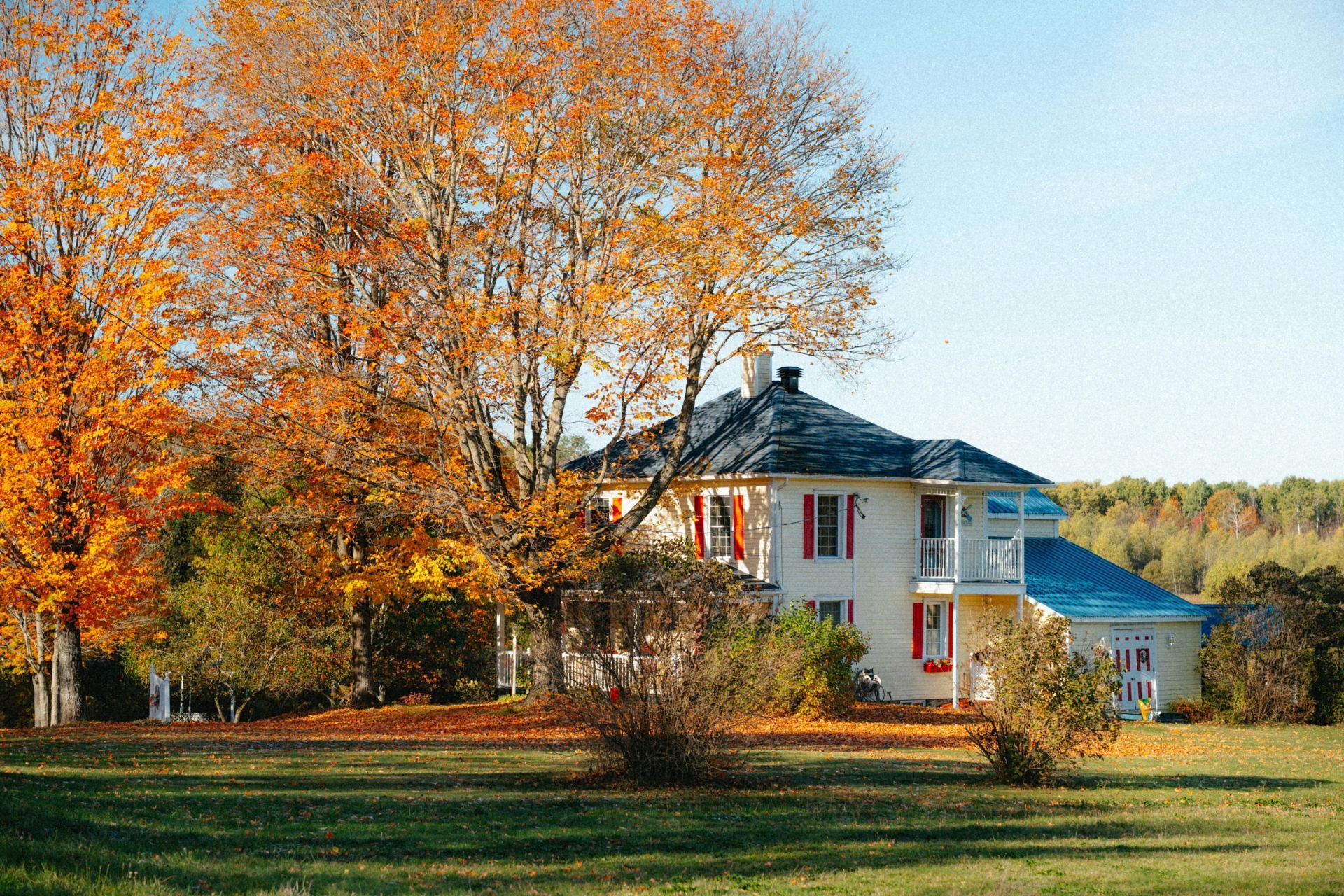
Fall Landscaping Checklist for Jackson County, Missouri Homeowners
As fall approaches in Jackson County, it's time to think about how to prepare your yard for the winter months. You might not realize how crucial this season is for maintaining your landscape's health. From mowing to mulching, there are several essential steps you can take. Knowing where to start can make all the difference in the long run. Let's explore what you need to do to keep your outdoor space thriving.
Why Fall Landscaping Matters in Jackson County
As the vibrant colors of autumn unfold in Jackson County, it’s crucial to remember that fall landscaping isn’t just about aesthetics; it’s about preparing your yard for the changing seasons.
This time of year offers the perfect opportunity to assess your garden's health and make necessary adjustments. By pruning overgrown plants and removing dead foliage, you’ll enhance your yard’s appearance while promoting new growth in spring.
Additionally, adding mulch helps retain moisture and insulates roots against colder temperatures. Fall landscaping also prevents soil erosion and ensures that your lawn remains strong and vibrant.
Essential Steps to Prepare Your Lawn for Winter
To ensure your lawn survives the winter months, you'll need to take some essential steps now. Start by mowing your grass one last time, keeping it slightly higher to protect the roots.
Next, aerate your lawn to relieve compaction and improve water absorption. After aerating, apply a winterizing fertilizer to strengthen your grass and promote root growth.
Don’t forget to rake up leaves; they can suffocate the grass if left too long. If you have bare patches, consider overseeding to encourage growth in those areas.
Finally, ensure your irrigation system is drained and winterized to prevent damage from freezing temperatures.
How to Properly Prune Trees and Shrubs for Fall
While fall is a time for your garden to wind down, it’s also the perfect opportunity to prune trees and shrubs. Start by inspecting your plants for any dead or damaged branches.
Use sharp, clean pruning shears to make clean cuts, which helps prevent disease. Focus on removing any crossing branches to improve airflow and light penetration.
For flowering shrubs, prune them after they finish blooming to encourage healthy growth for next season. Remember to avoid heavy pruning on trees and shrubs late in the season, as this can promote new growth that won't survive the winter.
Instead, concentrate on shaping and thinning to maintain their natural form. Happy pruning!
Why Mulching Is Crucial for Winter Plant Health
Mulching your garden before winter sets in is essential for protecting your plants from harsh conditions. A good layer of mulch acts as an insulator, keeping the soil temperature more stable. This helps prevent freeze-thaw cycles that can damage roots.
Additionally, mulch retains moisture, ensuring your plants have enough water during dry winter months. It also suppresses weeds, reducing competition for nutrients when spring arrives.
Organic mulches, like wood chips or straw, break down over time, enriching the soil with nutrients. Remember to apply a 2- to 4-inch layer around your plants, avoiding direct contact with stems to prevent rot.
Fall Landscaping: Choosing the Right Fertilizer
How can you ensure your garden thrives through the winter? Choosing the right fertilizer in the fall is essential.
Look for a fertilizer high in potassium and phosphorus, as these nutrients help strengthen roots and enhance overall plant health. A balanced 10-10-10 or a specialized fall fertilizer can provide the necessary nutrients without promoting excessive growth, which could be detrimental as temperatures drop.
Before application, test your soil to determine specific nutrient needs. This ensures your plants receive exactly what they lack.
Apply the fertilizer one to two weeks before the first hard frost to give your plants time to absorb the nutrients.
With the right fall fertilization, your garden will be better prepared to weather the winter and bloom beautifully come spring.
How to Plant Fall Bulbs for Beautiful Spring Blooms
As the days grow shorter and temperatures cool, planting fall bulbs becomes a rewarding task that sets the stage for vibrant spring blooms.
Start by choosing the right bulbs, like tulips, daffodils, or hyacinths, which thrive in your area. Select a sunny spot in your garden with well-drained soil.
Dig holes about three times the bulb’s height, spacing them appropriately. Place the bulbs with the pointed end facing up and cover them with soil.
Water gently but thoroughly to settle the soil around them. If you want, add mulch to insulate the bulbs over winter.
With minimal effort now, you’ll be greeted by a stunning display of color come spring, making your garden the envy of the neighborhood!
Preventing Frost Damage to Your Plants
Although frost can be a gardener's worst enemy, there are effective steps you can take to protect your plants.
First, cover sensitive plants with frost cloth or burlap during cold nights. This simple barrier can trap warmth and shield them from icy air.
If you have potted plants, consider moving them indoors or to a sheltered spot. You can also mulch around the base of perennials to insulate roots.
Watering your plants before a frost can help; moist soil retains heat better than dry soil.
Lastly, be aware of local weather forecasts so you can prepare in advance.
Effective Leaf Cleanup Strategies
Effective leaf cleanup is essential for maintaining a tidy yard and ensuring the health of your lawn. Start by raking leaves into manageable piles, making it easier to collect them later.
If you have a lot of leaves, consider using a leaf blower for quick work. Once you’ve gathered the leaves, you can either bag them for disposal or compost them to enrich your soil.
Don't forget to check for hidden debris that could smother your grass. Lastly, keep an eye on the weather; it’s best to clean up leaves on a dry day to prevent them from sticking to wet ground.
Staying on top of leaf removal will help your yard thrive through the winter months.
Fall Landscaping: Refreshing Your Decor for Seasonal Appeal
After tackling the leaves, it’s time to focus on enhancing your outdoor space for the fall season.
Start by swapping out your summer decor for autumn-themed items. Think about adding cozy throw blankets and seasonal pillows to your outdoor seating. Incorporate pumpkins, gourds, and colorful mums to create a warm, inviting atmosphere.
You can also hang string lights or lanterns for a soft evening glow. Don’t forget about your front porch—it's the perfect spot for a festive wreath and a charming welcome mat.
Lastly, consider using natural elements like pinecones or acorns in your decorations. These simple changes won't only refresh your decor but also celebrate the beauty of fall in your yard.
Enjoy the seasonal transformation!
Essential Garden Tools for Fall Maintenance
As autumn settles in, having the right garden tools on hand can make all the difference in maintaining your outdoor space.
Start with a sturdy rake to gather fallen leaves and debris, keeping your garden tidy. A pair of sharp pruners is essential for trimming dead branches and encouraging healthy growth. You’ll also want a trowel for planting bulbs and perennials, ensuring your garden flourishes come spring.
Don’t forget a quality pair of gardening gloves to protect your hands while you work. A wheelbarrow can help transport soil or mulch effortlessly.
Finally, having a good set of hand tools, like weeding forks and cultivators, will help you tackle those pesky weeds. With these essentials, you’ll be well-prepared for fall maintenance.
Conclusion
As you wrap up your fall landscaping tasks in Jackson County, remember that these steps are crucial for your yard’s health during winter. By mowing, aerating, pruning, mulching, and fertilizing, you’re setting the stage for a vibrant spring. Don't forget to tackle leaf cleanup and refresh your decor for seasonal charm. With the right tools and a bit of effort, you’ll ensure your landscape thrives through the cold months ahead. Happy gardening!